
Why Digital Transformation Is NoLonger Optional for Modern Businesses
A few years ago, having a website was enough to establish an online presence. Today, that’s no longer the case.
Customers expect businesses to be available online, respond quickly, provide valuable information, and deliver a seamless experience across every digital platform. Whether someone is searching for a service on Google, browsing social media, or visiting your website for the first time, their expectations are higher than ever.
The reality is simple: businesses that adapt to the digital world continue to grow, while those that resist change often struggle to keep up.
The Digital Shift Is Happening Everywhere
Think about how people make purchasing decisions today.
Before contacting a company, most customers will search online, read reviews, compare options, and visit multiple websites. In many cases, a potential customer forms an opinion about a business within seconds of landing on its website.
If your website is outdated, slow, or difficult to navigate, visitors may leave before they even learn about your services.
This is why digital transformation has become such an important part of business growth. It’s not just about technology—it’s about creating better experiences for customers and making your business more efficient.
The Digital Shift Is Happening Everywhere
Think about how people make purchasing decisions today.
Before contacting a company, most customers will search online, read reviews, compare options, and visit multiple websites. In many cases, a potential customer forms an opinion about a business within seconds of landing on its website.
If your website is outdated, slow, or difficult to navigate, visitors may leave before they even learn about your services.
This is why digital transformation has become such an important part of business growth. It’s not just about technology—it’s about creating better experiences for customers and making your business more efficient.
Your Website Is More Than Just an Online Brochure
Many business owners still view their website as something they simply “need to have.”
In reality, your website should be one of your most valuable business assets.
A well-designed website can:
- Generate leads 24/7
- Build trust with potential customers
- Showcase your expertise
- Improve customer engagement
- Support your marketing efforts
When visitors land on a professional website, they immediately feel more confident about doing business with that company.
On the other hand, a poorly designed website can damage credibility, even if the business itself provides excellent services.
Think about how people make purchasing decisions today.
Before contacting a company, most customers will search online, read reviews, compare options, and visit multiple websites. In many cases, a potential customer forms an opinion about a business within seconds of landing on its website.
If your website is outdated, slow, or difficult to navigate, visitors may leave before they even learn about your services.
This is why digital transformation has become such an important part of business growth. It’s not just about technology—it’s about creating better experiences for customers and making your business more efficient.
Why SEO Matters More Than Ever
Creating a beautiful website is only the first step.
The next challenge is helping people find it.
Every day, millions of searches are performed on Google by people looking for products, services, and solutions. If your business doesn’t appear in those search results, you’re missing valuable opportunities.
Search Engine Optimization (SEO) helps businesses increase their visibility and attract people who are already interested in what they offer.
Unlike paid advertising, SEO continues to deliver results over time. A strong SEO strategy can generate consistent traffic, leads, and brand awareness for months or even years.
That’s why successful businesses treat SEO as a long-term investment rather than a short-term marketing tactic.
Think about how people make purchasing decisions today.
Before contacting a company, most customers will search online, read reviews, compare options, and visit multiple websites. In many cases, a potential customer forms an opinion about a business within seconds of landing on its website.
If your website is outdated, slow, or difficult to navigate, visitors may leave before they even learn about your services.
This is why digital transformation has become such an important part of business growth. It’s not just about technology—it’s about creating better experiences for customers and making your business more efficient.
The Growing Role of Artificial Intelligence
Artificial Intelligence is changing the way businesses operate.
From automated customer support to data analysis and personalized marketing, AI is helping companies work smarter and serve customers more effectively.
For example, AI-powered chatbots can answer common customer questions instantly, even outside business hours. This improves customer satisfaction while reducing the workload on support teams.
Businesses that embrace AI are often able to save time, reduce costs, and improve productivity across multiple areas of their operations.
Artificial Intelligence is changing the way businesses operate.
From automated customer support to data analysis and personalized marketing, AI is helping companies work smarter and serve customers more effectively.
For example, AI-powered chatbots can answer common customer questions instantly, even outside business hours. This improves customer satisfaction while reducing the workload on support teams.
Digital Marketing Is About Building Relationships
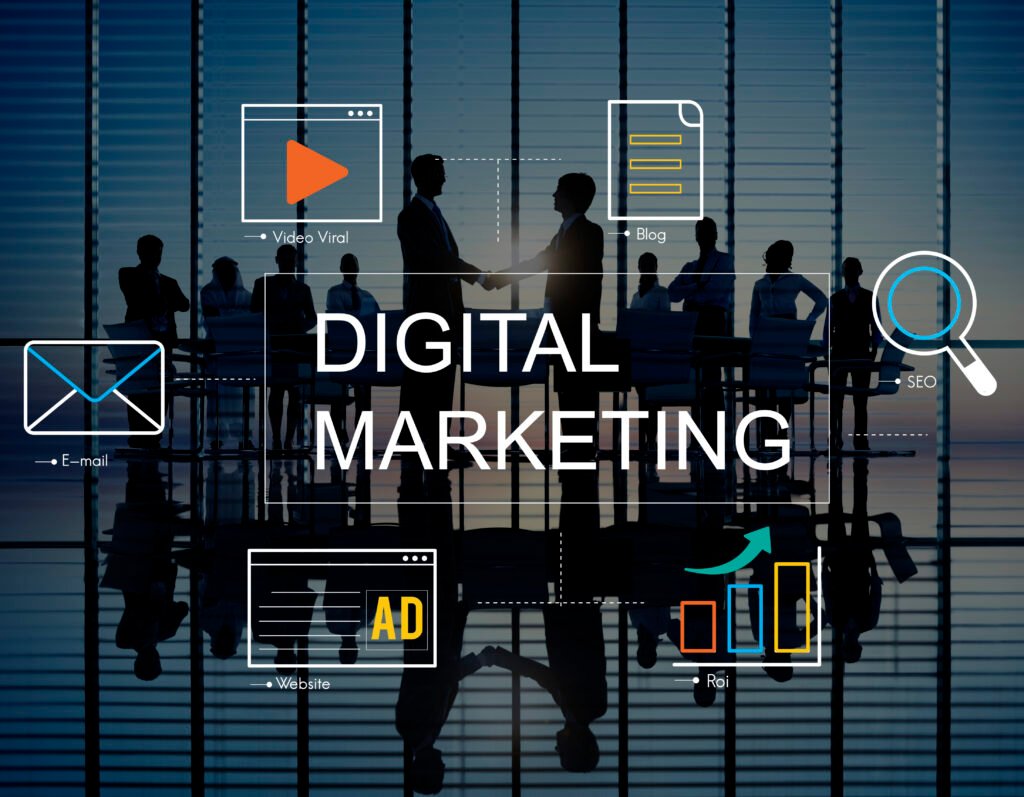
Many people think digital marketing is simply about running advertisements.
The truth is much broader.
Effective digital marketing helps businesses connect with their audience, build trust, and create long-term relationships.
Whether through social media, content marketing, email campaigns, or paid advertising, the goal is the same: provide value and stay visible where your customers spend their time online.
The brands that consistently educate, engage, and communicate with their audience are often the ones that achieve sustainable growth.
Many people think digital marketing is simply about running advertisements.
The truth is much broader.
Effective digital marketing helps businesses connect with their audience, build trust, and create long-term relationships.
Whether through social media, content marketing, email campaigns, or paid advertising, the goal is the same: provide value and stay visible where your customers spend their time online.
The brands that consistently educate, engage, and communicate with their audience are often the ones that achieve sustainable growth.
Customer Expectations Continue to Rise
Today’s customers want convenience.
They want quick answers, fast-loading websites, mobile-friendly experiences, and easy ways to contact businesses.
If they don’t find what they’re looking for, they’ll simply move on to a competitor.
This means businesses must constantly improve the way they interact with customers online.
Digital transformation allows organizations to meet these expectations while creating smoother and more enjoyable customer journeys.
Looking Ahead
Technology will continue to evolve, and customer expectations will continue to change.
Businesses that invest in modern websites, SEO, AI solutions, and digital marketing are positioning themselves for long-term success.
Digital transformation is no longer something companies can postpone for the future. It is happening right now.
The businesses that embrace innovation today will be the ones leading their industries tomorrow
Conclusion
Success in today’s marketplace requires more than simply offering a good product or service. Businesses must also create strong digital experiences that attract, engage, and retain customers.
Whether through a high-performing website, strategic SEO, AI-powered automation, or effective digital marketing, digital transformation provides the foundation for sustainable growth.
The question is no longer whether businesses should go digital.
The real question is how quickly they are willing to adapt.
